Transforming Brand Values into Engaging Spaces Through Strategic Design Choices
Creating a space that truly reflects a brand’s core values can be a powerful way to connect with clients and visitors. When design choices align with what a brand stands for, the environment becomes more than just a backdrop—it becomes a lived experience. I recently explored this concept through a micro case study, where I translated a client’s brand strategy into intentional spatial decisions. This post shares how core values were mapped to specific design elements, offering practical insights for anyone looking to create meaningful, engaging spaces.

Understanding Brand Values as a Foundation for Design
Every brand has a unique set of values that define its identity and how it wants to be perceived. These values often include qualities like approachability, hospitality, clarity, or innovation. Translating these abstract ideas into physical spaces requires a thoughtful approach.
In this case study, the client’s core values were:
Approachability
Thoughtful hospitality
Purposeful clarity
These values guided the design decisions in three key areas: materials, lighting, and circulation. Each choice was intentional, aiming to create an environment that visitors would not only see but feel.
Material Choices That Express Approachability
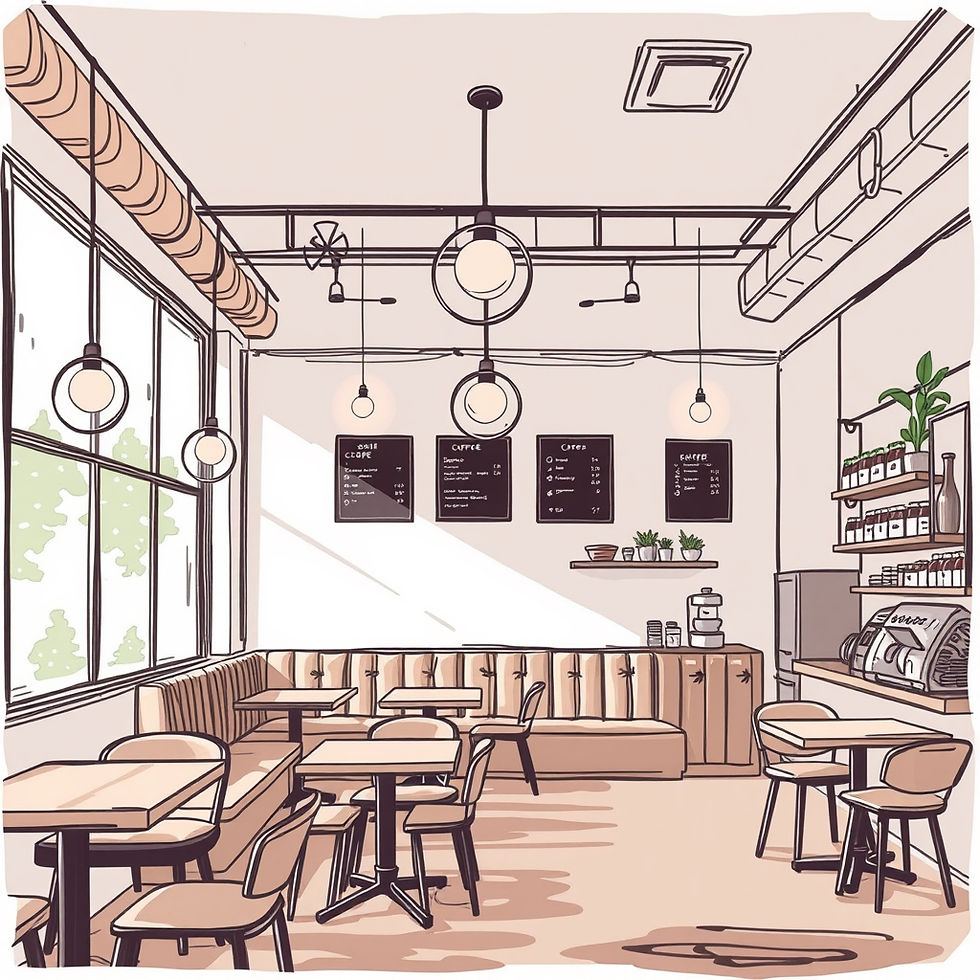
Materials set the tone for a space. They communicate texture, warmth, and personality. For our client, we chose warm, tactile oak wood as the primary material. Oak has a natural grain and texture that invites touch and creates a sense of comfort.
Using oak in wall panels, furniture, and flooring helped express the brand’s approachable nature. The warmth of the wood softened the space, making it feel welcoming rather than cold or distant. This choice also reflected durability and authenticity, reinforcing trustworthiness.
Key takeaways for material selection:
Choose materials that reflect the emotional tone of your brand.
Use tactile, natural materials to create warmth and approachability.
Consider durability and authenticity as part of the material story.
Lighting That Conveys Thoughtful Hospitality
Lighting shapes how people experience a space. It can highlight features, create mood, and guide movement. For this project, we designed layered, dimmable lighting scenes. This approach allowed the space to adapt to different times of day and activities, enhancing comfort and hospitality.
Layered lighting included:
Ambient lighting for general illumination
Accent lighting to highlight architectural features and textures
Task lighting for functional areas like seating or reception
Dimmable controls gave staff the ability to adjust lighting levels, creating a thoughtful atmosphere that feels personal and inviting. This flexibility supports the brand’s value of hospitality by making guests feel cared for and comfortable.
Circulation Paths That Reflect Purposeful Clarity
How people move through a space impacts their overall impression. Clear, purposeful circulation paths reduce confusion and create a sense of order. For our client, we designed straightforward routes that guide visitors naturally from entry to key areas.
This clarity in movement supports the brand’s value of purposeful clarity. Visitors feel confident and at ease because the space communicates where to go without barriers or distractions.
Design strategies included:
Wide, unobstructed pathways
Visual cues like lighting and material changes to indicate direction
Logical placement of furniture to avoid blocking flow
By focusing on circulation, the space becomes intuitive and user-friendly, reinforcing the brand’s commitment to clear communication.
Bringing It All Together: The Impact of Intentional Design
When material, lighting, and circulation align with brand values, the result is a cohesive and engaging environment. In this case study, the warm oak material made the space approachable, layered lighting created a welcoming atmosphere, and clear circulation paths ensured visitors felt guided and comfortable.
This approach goes beyond aesthetics. It creates a space that tells a story and invites people to connect with the brand on a deeper level. Intentional design choices become a form of communication, expressing what the brand stands for without words.
Designing with intention transforms spaces into experiences. When every element reflects what a brand truly values, visitors sense authenticity and care. This connection builds loyalty and leaves a lasting impression.


Comments